The Real Deal on Carpet Mold Remediation: What Works and What Doesn't
I have been in the mold remediation business for over a decade, and I can tell you that carpet mold is one of the trickiest problems a homeowner faces. It is not like mold on a tile wall, where you can scrub and spray and call it done. Carpet is porous, absorbent, and often hides the problem until the smell becomes impossible to ignore. By the time you notice that musty odor, the colony has likely been growing for weeks, spreading through the backing and padding underneath.
Carpet mold remediation is not a one-size-fits-all process. Every situation demands a careful assessment of the moisture source, the extent of contamination, and the type of flooring involved. I have seen people waste hundreds of dollars on store-bought sprays, only to find the mold returning a few months later. The key is understanding what you are actually dealing with and knowing when to call in a professional.
First, Find the Water
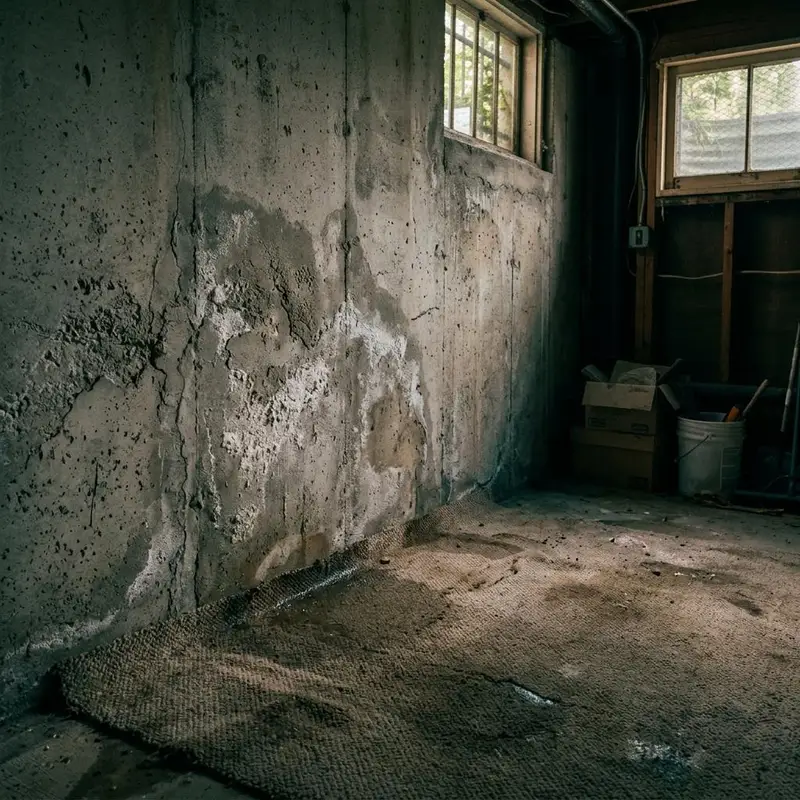
Mold needs three things to thrive: moisture, warmth, and a food source. Carpet provides the food source in its fibers and the dust trapped within them. The moisture usually comes from something you can identify if you look closely. Leaking pipes under a sink, basement flooding after a heavy rain, or condensation from an HVAC system that is not draining properly are common culprits. I always start with a moisture meter to check the carpet and the subfloor. If the reading is above 20 percent moisture content, you have a problem that will keep coming back unless you fix the leak or the humidity issue first.
I worked on a job last year where a family had been battling mold in their living room carpet for months. They had tried bleach and a rented steam cleaner, but the mold kept returning. When I checked the crawl space beneath that room, I found a slow drip from a pipe joint that had been dampening the subfloor for years. No amount of surface cleaning would have solved that. We had to repair the pipe, dry out the crawl space, and then address the carpet. That is the reality of carpet mold remediation: you cannot treat the symptom without curing the disease.
What Not to Do: The Bleach Myth
Many people reach for bleach when they see mold on carpet. That is a mistake. Bleach is a harsh chemical that can damage carpet fibers and discolor the dye. More importantly, bleach is mostly water. When you pour it onto a moldy carpet, you are adding moisture to a problem that already has too much moisture. The mold on the surface might fade temporarily, but the water soaks into the backing and padding, creating an even better environment for mold spores to regrow. I have tested this myself: a carpet treated with bleach showed visible mold regrowth within two weeks in a humid room.
The EPA recommends against using bleach on porous surfaces like carpet, and for good reason. Instead, you are better off with antimicrobial treatments specifically designed for fabric. Products like Concrobium or Mold Armor contain ingredients that break down the mold cell structure without adding excess water. These are not miracle cures, but they are far more effective than bleach when used correctly. I prefer Concrobium for its ability to leave a residual barrier that helps prevent regrowth, though Mold Armor works well for smaller patches.
Tools of the Trade
Proper carpet mold remediation requires the right equipment. A HEPA vacuum is non-negotiable. Standard shop vacuums blow fine mold spores back into the air, spreading the contamination to other rooms. HEPA filters trap those spores, which is critical for protecting your lungs and preventing cross-contamination. I always follow a HEPA vacuum pass with a thorough wipe-down of all hard surfaces using microfiber cloths dampened with an antimicrobial solution. The cloths pick up the spores rather than pushing them around.
For the actual cleaning, I use a combination of dry extraction and low-moisture methods. A hot water extraction machine can work if you have a powerful wet vac and a way to dry the carpet quickly afterward. But if you cannot get the carpet bone dry within 24 hours, you are inviting mold to return. That is where dehumidifiers and air movers come in. I run dehumidifiers in the room for at least 48 hours after any wet cleaning to keep relative humidity below 50 percent. Air purifiers with HEPA filters also help capture airborne spores during and after the work.
Personal protective equipment is not optional. N95 respirators or better, gloves, and eye protection should be worn by anyone in the room during remediation. Mold spores can trigger allergic reactions and respiratory issues even in people who do not consider themselves sensitive. I have seen healthy clients develop coughing fits just from walking through a room where we were working.
When to Tear It Out
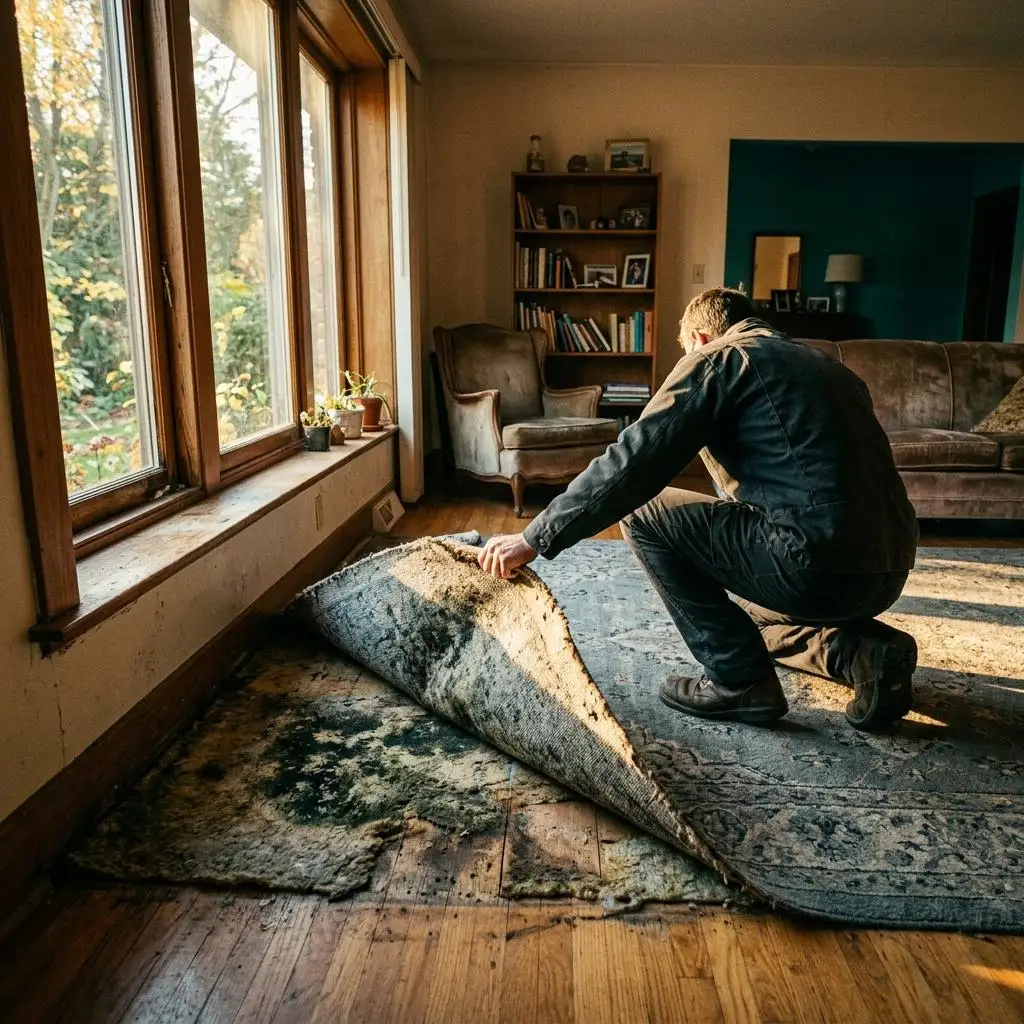
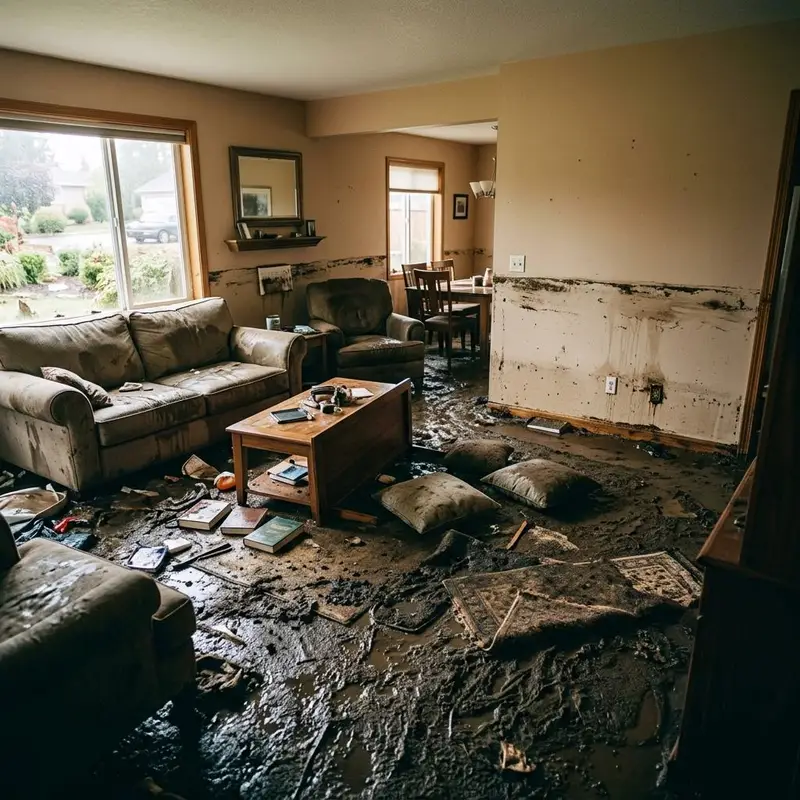
Sometimes the best carpet mold remediation is carpet removal. If the padding underneath is saturated, or if the subfloor shows signs of mold growth, you cannot save the carpet. I have a hard rule: if the carpet has been wet for more than 48 hours, the padding is probably compromised. In cases of basement flooding or sewage backup, the carpet and padding should go straight to the landfill. Trying to clean it is a losing battle.
I had a client who insisted we save a large area rug that had been in a flooded basement for three days. We spent two days drying, treating, and extracting it. The rug looked clean, but within a month, the mold returned in patches. The padding had absorbed contaminants that no amount of antimicrobial treatment could fully remove. We ended up replacing it anyway, and the total cost was higher than if we had done it right the first time. Sometimes the most responsible advice is to cut your losses.
Prevention Is Cheaper Than Cure
The best way to avoid needing carpet mold remediation is to prevent moisture from reaching your carpet in the first place. That means addressing humidity at the source. Running bathroom exhaust fans during and after showers, fixing leaking pipes as soon as you notice them, and using dehumidifiers in damp areas like basements and crawl spaces can make a huge difference. I also recommend checking the drainage around your HVAC system. A clogged condensate line can drip water onto carpeting or subfloor without anyone noticing until the mold is visible.
For homes with a history of moisture issues, I suggest using a moisture meter to periodically check carpet in vulnerable areas. If you catch a problem early, you can often dry the carpet with fans and a dehumidifier before mold takes hold. The EPA publishes guidelines on mold prevention that are worth reading, but the basics are simple: keep humidity below 60 percent, fix leaks promptly, and clean up spills within 24 hours.
Professional Help and Certification
There is no federal license for mold remediation, but many states and municipalities require a mold remediation license for contractors who do this work. Even where it is not required, hiring someone with IICRC certification ensures they have been trained in proper containment, cleaning, and drying protocols. The IICRC sets standards for the cleaning and restoration industry, and their mold remediation certification is widely respected. I have taken their courses, and they cover everything from spore containment to proper use of chemicals like RMR-141, which is a strong antimicrobial often used in commercial settings.
If you are considering tackling a small patch of mold yourself, start with a small test area. Use a HEPA vacuum, apply an antimicrobial treatment like Concrobium using a spray bottle and microfiber cloth, and then dry the area thoroughly with fans. Monitor it for a week. If the mold does not return, you might have gotten it all. But if it comes back, call a professional. The cost of a proper assessment is small compared to the health risks and property damage of untreated mold growth.
Carpet mold remediation is not glamorous work, but it is essential for maintaining a healthy home. I have seen it transform spaces that smelled like a damp basement into fresh, livable rooms. The process takes patience, the right tools, and a willingness to address the underlying moisture problem. There are no shortcuts. But with a methodical approach, you can get rid of the mold and keep it from coming back.